Australia is a dream destination for many professionals and families looking for a new start. With its picturesque landscapes, friendly culture, and high standard of living, it’s no wonder people are making the move down under. Whether you’re a skilled worker or planning a family relocation, this guide will walk you through everything you need to know about moving to Australia, from visa options to finding accommodation and adjusting to the Aussie way of life.
1. Understanding Visa Options for Australia
One of the first steps in relocating to Australia is understanding which visa you qualify for. Here are some popular visa options:
a. Skilled Worker Visa (Subclass 189 & 190)
If you are a professional with skills that Australia needs, you might qualify for a Skilled Independent Visa (Subclass 189) or a Skilled Nominated Visa (Subclass 190). These visas are designed for skilled workers without the need for employer sponsorship.
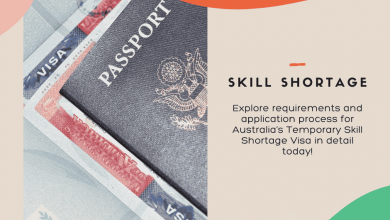
b. Employer-Sponsored Visa (Subclass 482)
Another option is to be sponsored by an Australian employer. The Temporary Skill Shortage Visa (Subclass 482) allows employers to bring in skilled workers for positions they cannot fill locally.
c. Family-Sponsored Visa
For families, there are several visa options if you have a relative in Australia who is willing to sponsor you. The Parent Visa (Subclass 103) and the Partner Visa (Subclass 820/801) are good examples.
d. Student Visa (Subclass 500)
If you plan to study in Australia, the Student Visa allows you to live, work part-time, and study. This could also lead to future permanent residency pathways.
2. Getting Your Documents Ready
Once you have decided on a visa, you’ll need to gather all the necessary documentation. These usually include:
- Proof of identity (passport, birth certificate)
- Skills assessment from a recognized body
- Employment references
- Medical examination results
- Police clearance certificates
3. Finding a Job in Australia
Australia has a thriving job market for skilled workers. It’s advisable to start looking for jobs even before you make the move. Websites like Seek (seek.com.au) and Indeed (indeed.com.au) are popular for job searches. Networking is also crucial, so don’t hesitate to join professional groups on LinkedIn or Australian expat communities.
Tips for Job Hunting
- Update Your Resume: Tailor your resume to meet Australian standards. Include a career summary and highlight your skills effectively.
- Consider Recruitment Agencies: Many recruitment agencies specialize in connecting international workers with Australian employers.
- Work Rights: Make sure you understand your visa conditions, especially if it limits the number of hours you can work.
4. Accommodation: Finding a Place to Call Home
Finding accommodation is an essential part of relocating. Whether you want to rent or buy, you should familiarize yourself with the housing market in Australia.
a. Renting
Most new arrivals start by renting. Rentals in Australia are usually available on a 6 or 12-month lease.
- Rental Costs: The cost will depend on the location. Major cities like Sydney and Melbourne tend to be more expensive compared to cities like Adelaide or Hobart.
- Rental Application: Be ready to provide identification, proof of income, and references for your rental application.
b. Buying a Home
If you are financially prepared, buying might be an option. Ensure you consult a real estate agent and be familiar with the Foreign Investment Review Board (FIRB) requirements, as foreigners often need approval to purchase property in Australia.
5. Understanding the Cost of Living
The cost of living in Australia can vary significantly based on the city or town you choose. Sydney and Melbourne are the most expensive, while cities like Brisbane or Perth offer more affordable living.
- Housing Costs: Rent can range from AUD 1,500 to AUD 3,000 per month, depending on the location.
- Groceries and Utilities: A typical family might spend around AUD 200 to AUD 300 weekly on groceries. Utilities like electricity, gas, and water can be around AUD 200 monthly.
- Healthcare: Australia has an excellent healthcare system. Ensure you have adequate health insurance, especially if your visa doesn’t qualify for Medicare.
6. Education and Schooling for Families
Australia has a high-quality education system, and for families, this is a major attraction. If you are moving with children, you’ll need to choose between public, private, and international schools.
- Public Schools: These are government-funded and offer free education to children of Australian residents. Some fees may apply for extracurricular activities.
- Private and International Schools: These can be costly, but they offer more specialized curricula and facilities.
7. Adapting to the Australian Lifestyle
Australians are known for their laid-back and friendly nature. Getting involved in local activities can help you settle in quicker.
a. Outdoor Culture
Australia is famous for its beaches, parks, and outdoor activities. Joining local clubs like cricket, soccer, or even a surf school can help you integrate into the community.
b. Understanding Aussie Slang
Australians love their slang. Terms like “G’day” (hello) and “Barbie” (barbecue) are commonplace. Getting used to the local lingo will make you feel more connected and comfortable.
8. Navigating Australian Healthcare
Australia’s healthcare system is a mix of public (Medicare) and private care. Expats may need private health insurance depending on their visa type.
- Medicare: Most residents are eligible for Medicare, which provides free or subsidized treatment.
- Private Health Insurance: This is recommended if you do not qualify for Medicare, as it will provide more comprehensive cover.
9. Transportation in Australia
Public transportation in Australia is reliable, particularly in major cities. Buses, trains, and trams are popular, and many cities have ride-sharing options like Uber.
- Public Transport Cards: Most cities have integrated public transport cards, like Opal in Sydney and Myki in Melbourne.
- Buying a Car: Depending on where you live, having a car may be more convenient, especially in areas with limited public transport.
10. Building a Support Network
Moving to a new country can be challenging, but having a support network can make all the difference. Consider joining online forums, local meetups, or even expat groups in Australia.
- Expat Communities: Websites like Meetup.com host regular events that can help you connect with other expats.
- Local Events: Participate in festivals and events to immerse yourself in the local culture and make new friends.
Conclusion: Starting Fresh in Australia
Relocating to Australia is a rewarding experience for professionals and families alike. From securing the right visa to finding the perfect home and adapting to the Aussie lifestyle, this journey requires careful planning but offers an amazing quality of life. By following these steps, you’ll be well on your way to starting a successful new chapter in Australia.